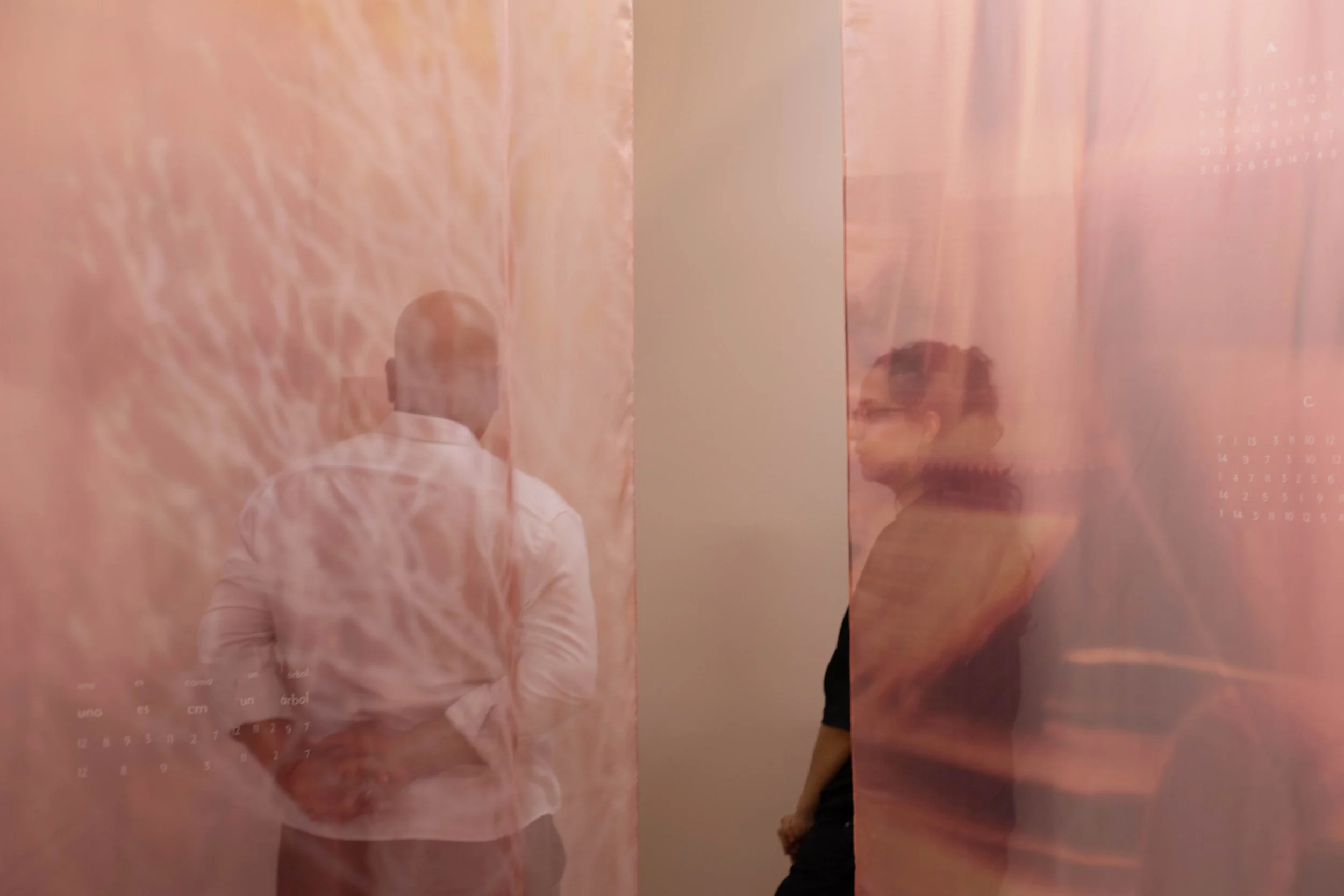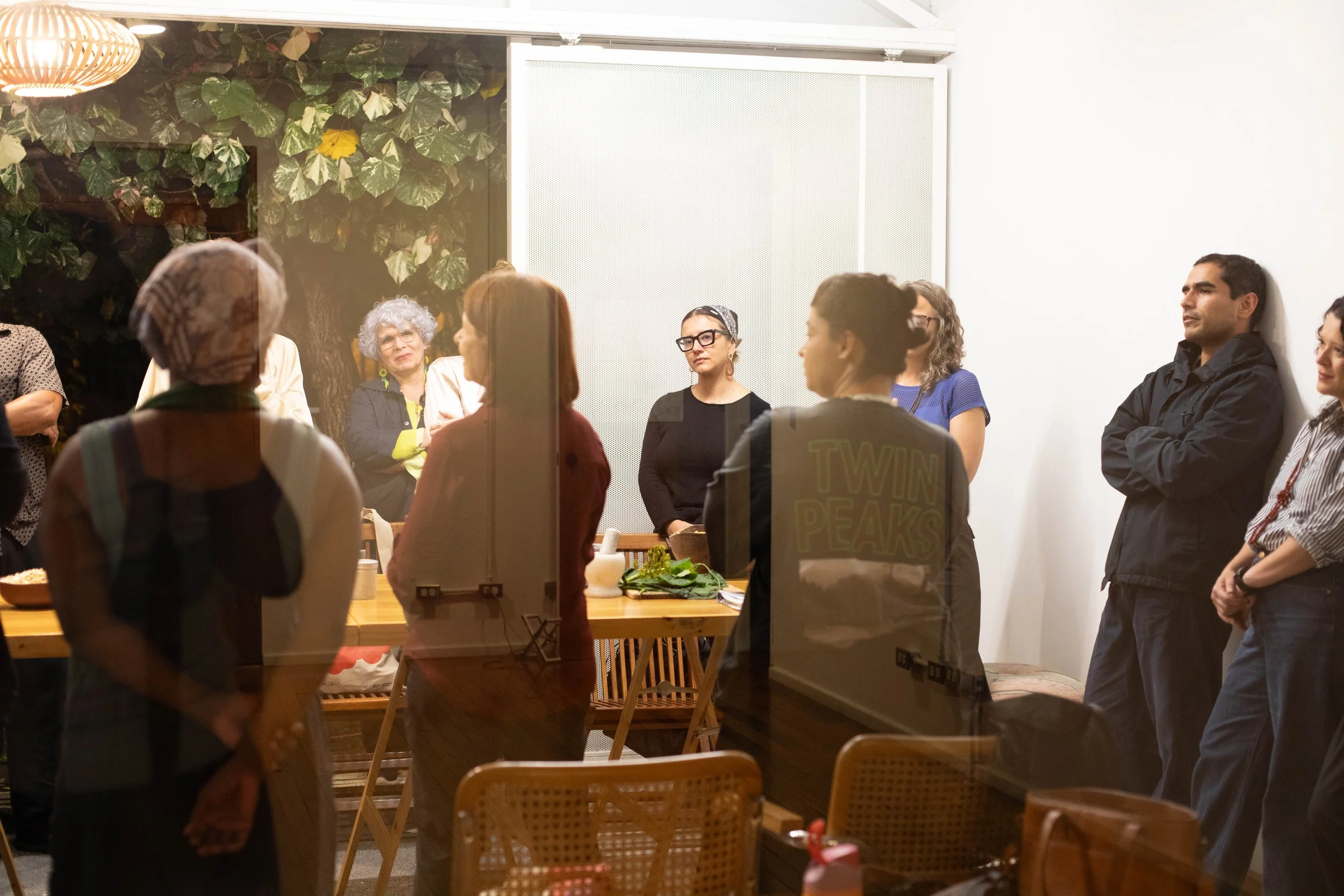
Throughout September, satis.FACTORY and the Spanish Cultural Center (CCE) in San José, Costa Rica, brought together four internationally recognized curators for a month-long program of talks, workshops, and collective exchange: CURANDERXS: Encuentros Sobre Prácticas Curatoriales (Gatherings Around Curatorial Practice).
Supported by Hannah Sloan Curatorial & Advisory, Curanderxs offers curators space and time to examine what curating means today, answering questions like: How do exhibitions and cultural projects shape our understanding of the world? Whose histories and knowledge do they bring forward, and what responsibilities do curators hold toward artists, communities, and the contexts in which they work?
Based in Barrio Escalante, the programming offered curator-led discussions at the LAB of the Spanish Cultural Center (CCE) on Wednesdays, workshops and meetings at satisFACTORY Casa on Thursdays, Fridays, and Saturdays.
“Curanderxs showed us that curation is not a title written in capital letters, but rather an ongoing practice of listening, hospitality, archiving, and shared cooking. Beyond the obvious, it was a space for gathering and hospitality, and for essential dialogues within the Central American context.”
/ Meet the Curators
LUIS GRAHAM CASTILLO | Dominican Republic
September 2–5, 2026
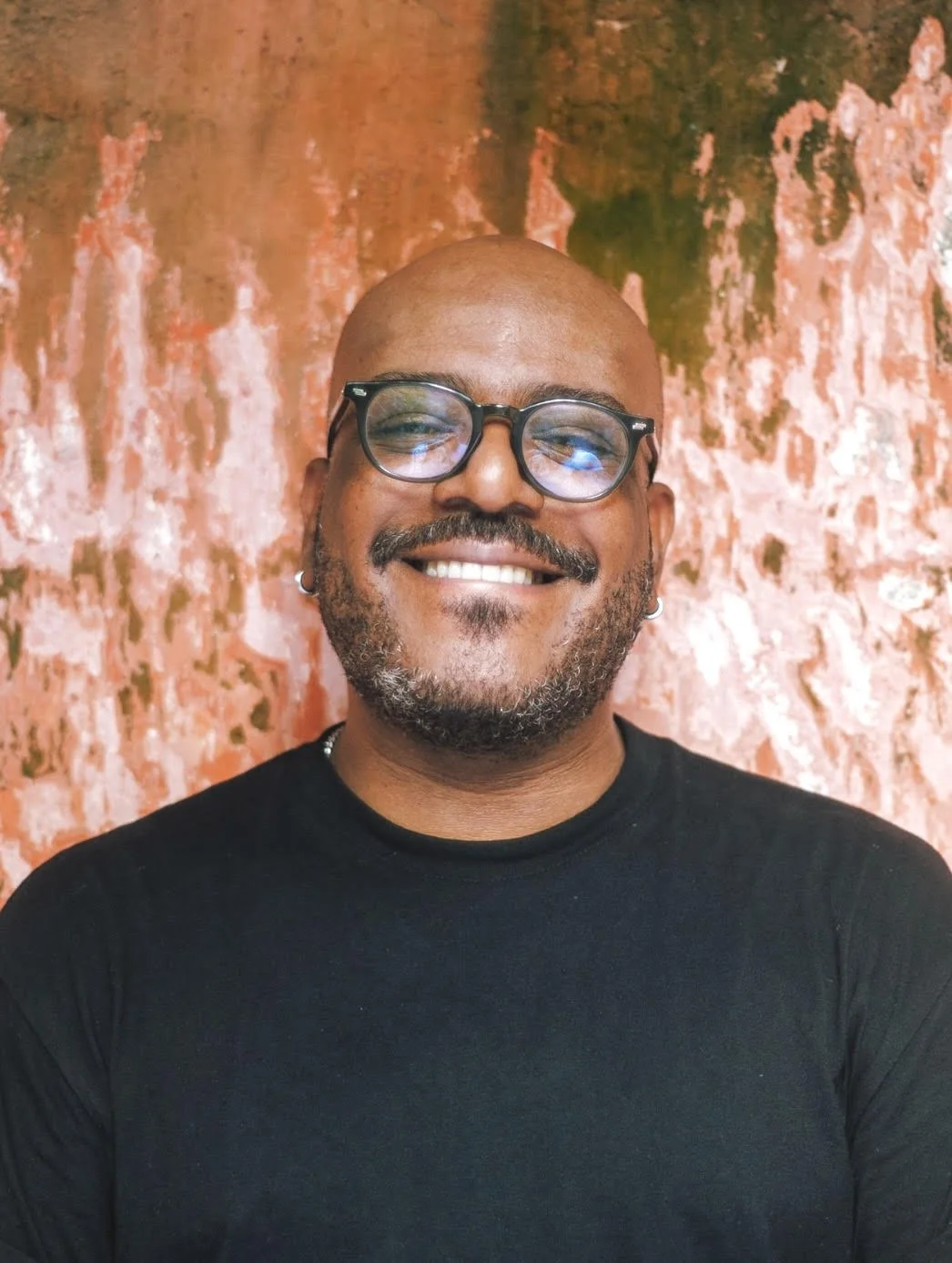
Luis Graham Castillo is a Dominican curator and researcher. His practice crosses contemporary art, cultural research, and a Caribbean perspective. He has curated exhibitions, public programs, and publishing projects related to contemporary visual arts and how images produce memory, symbolic contestation, and subjectivity.
In his talk, Accompanying Mysteries: Curatorship, Listening, and Artistic Processes, Graham Castillo invited participants to consider the curatorial as a practice of accompaniment, listening, and meaning-making.
Drawing on recent projects, Castillo explores curating as a way to comprehend localities, spark conversations, and foster collective thinking.
His workshop, Ideally, a Grocery Store centered on situated curatorship and Caribbean thought by taking the “colmado” as a critical metaphor for the region and framing it as a vibrant space of exchange, noise, everyday economy, desire, conflict, and community. The session approached curating as a situated practice attuned to the languages and forms through which visual culture shapes connections, narratives, and disputes. The workshop explored curatorial methodologies rooted in orality, Afro-Caribbean spirituality, popular culture, and collective meaning-making.
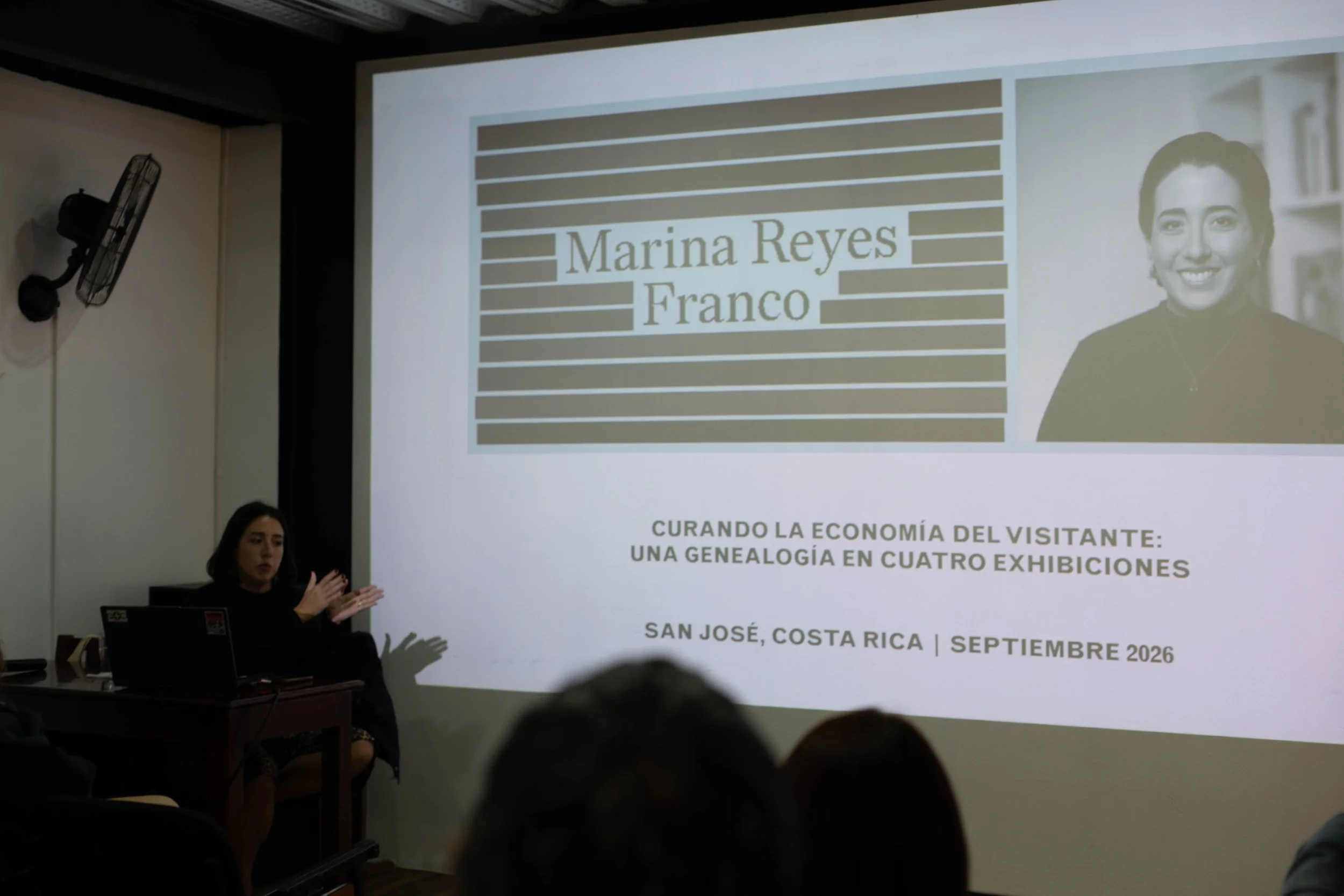
MARINA REYES FRANCO | Puerto Rico
September 9–12, 2026
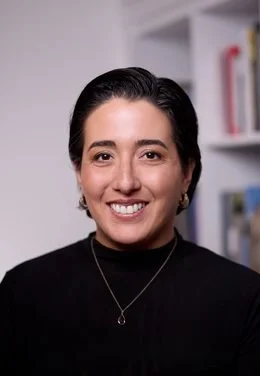
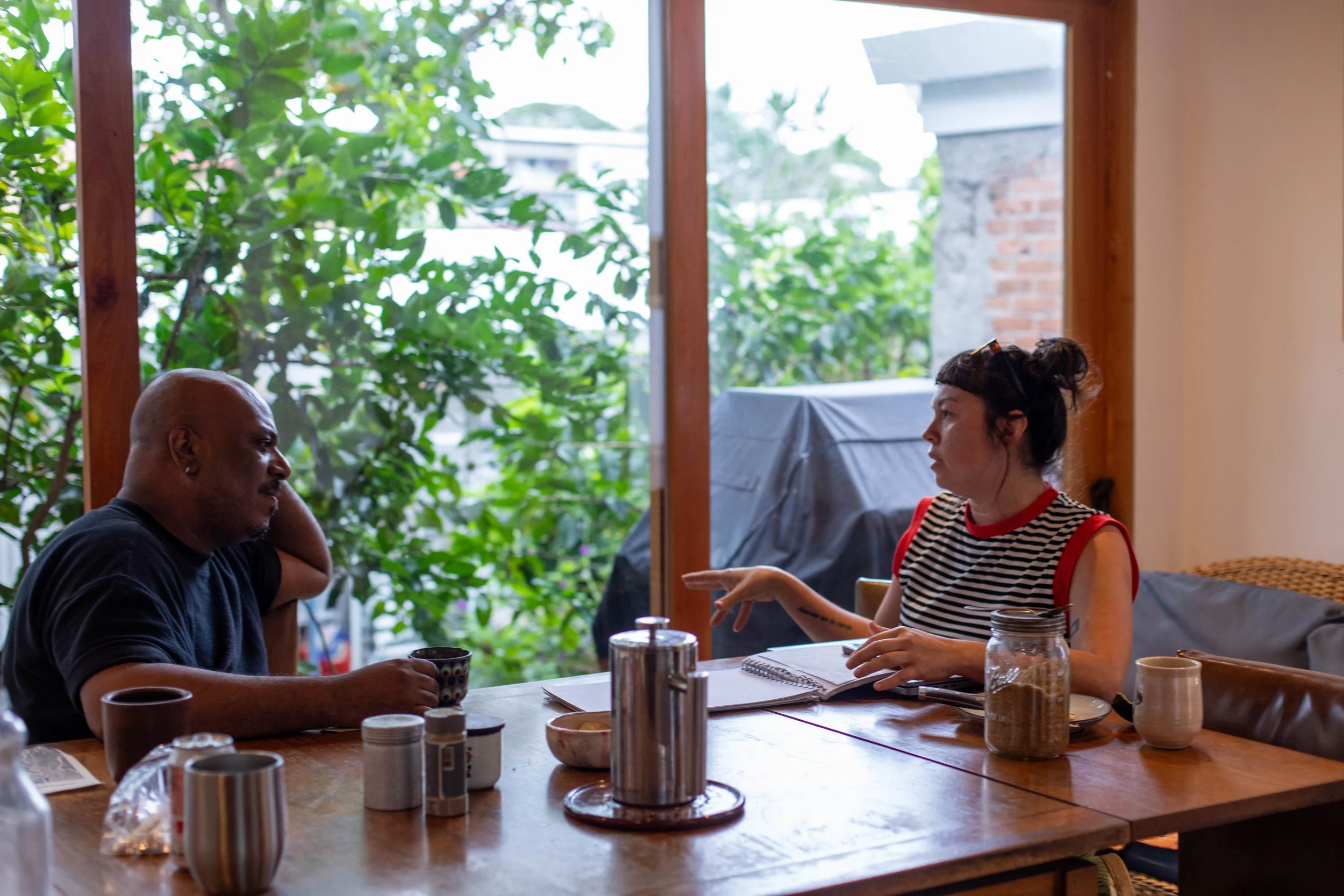
Marina Reyes Franco is an independent curator and writer based in Puerto Rico. She is dedicated to creating exhibitions and leading collaborative projects that establish aesthetic relationships between artists, history, and culture. Her projects highlight underrepresented histories, including the work of Esteban Valdés, national counter-narratives, and the impact of tourism on cultural production in the Caribbean.
Franco’s talk, Curating the Visitor Economy, explored the insidious presence of the tourist and visions of paradise present in life and art produced in the Caribbean through various curatorial projects carried out between 2015 and 2025.
Her workshop, The Role of Curatorship, offered a space for collective reflection on curatorial practice as a tool for research, knowledge production, and the building of relationships among artists, institutions, territories, and audiences. Through conversations, writing exercises, case studies, and critical tours, participants developed tools to identify the questions that guided their practices and situate their projects within specific cultural contexts.
JUAN CANELA | Spain/Panama
September 16–19, 2026
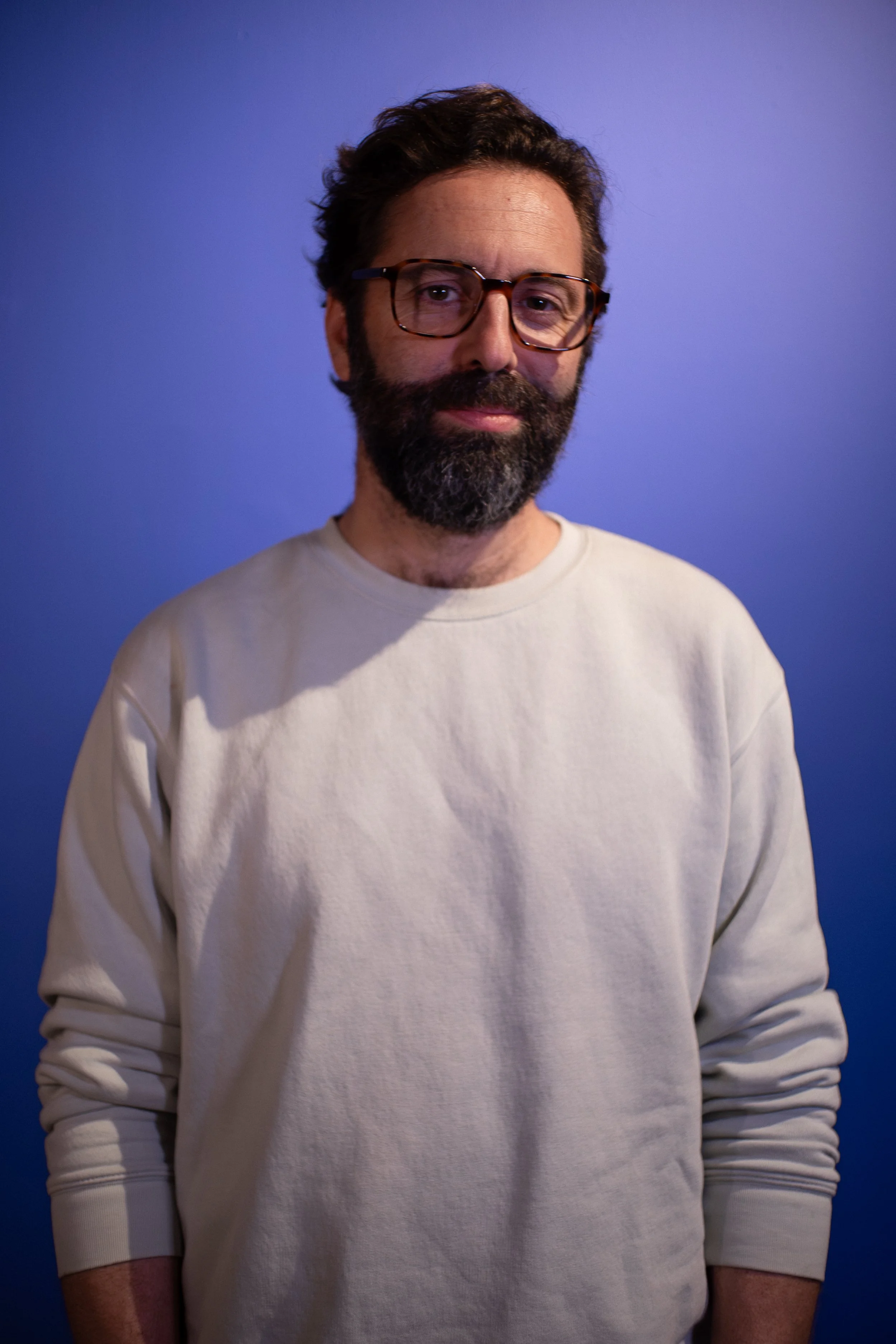
Juan Canela is Chief Curator of the Museum of Contemporary Art of Panama, co-curator of the 33rd Pontevedra Biennial (2027), and a member of the Advisory Committee of the Reina Sofía’s Cáder Institute of Central American Art (2025–27). He recently served as curator of the Encuentros program at Artbo Bogotá (2025), co-curator of the 23rd Arte Paiz Biennial in Guatemala (2023), and curator of El Patio ABC in Baja California, Mexico (2023–2024). Previously, he served as Artistic Director of ZONAMACO in Mexico City (2020–2023); Associate Curator at the Matadero Madrid Artist Residency Center (2020–2021); and Research and Symposium Associate for the Oslo BIENNALEN FIRST EDITION (2019–2020).
In The Little Great Museum of Ancón: A Tour of the History, Nature, and Recent Projects of the MAC Panama, Canela shared perspectives on the history, environment, and recent initiatives of the Museum of Contemporary Art of Panama.
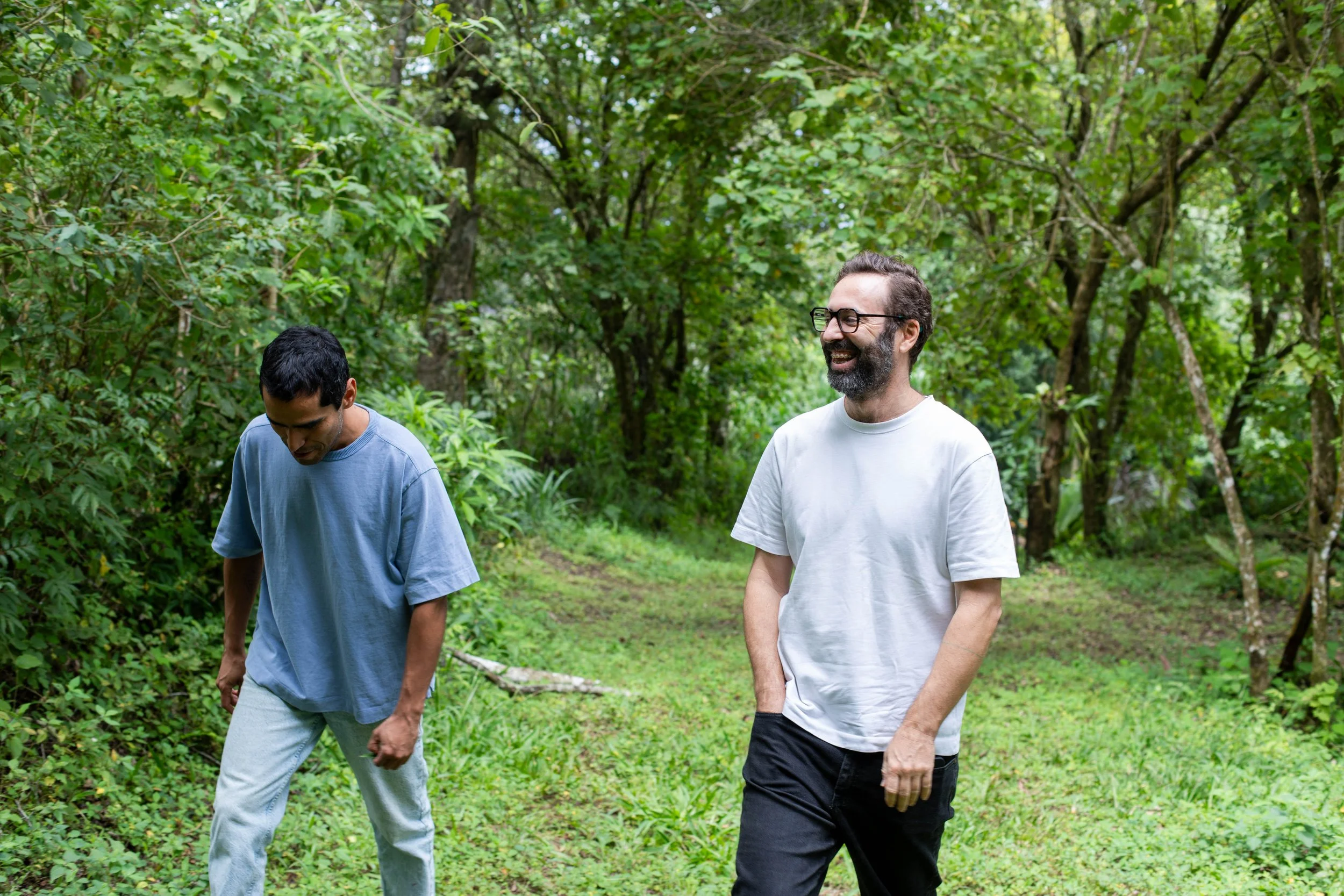
His workshop, From the Independent to the Institutional: Curatorial Experiences, Forms, and Rhythms, drew on his experience across independent projects, art fairs, biennials, and museums to examine the possibilities and challenges of curatorial work across different settings. Emphasizing intuition, collective processes, and affective relationships, the two encounters considered how curatorial approaches evolve in response to the institutional structures and working contexts in which they take shape.
SOFÍA OLASCOAGA | Mexico
September 23–26, 2026
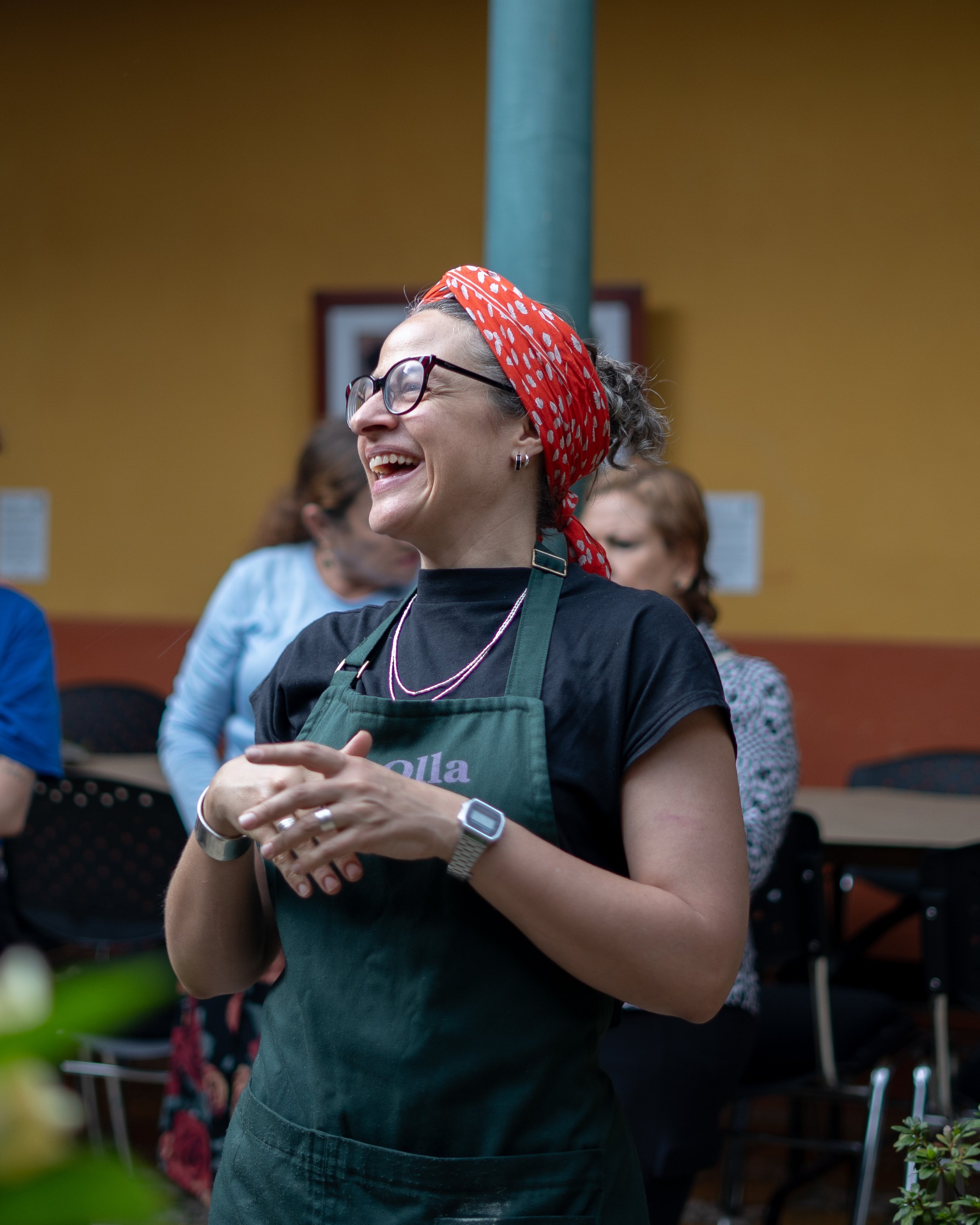
Sofía Olascoaga is an artist, curator, and researcher. She experiments with formats of engagement and spaces for critical thinking, learning, and collective action, as well as with editorial platforms for sharing artistic experiences. She is a graduate of the “La Esmeralda” National School of Painting, Sculpture, and Printmaking and the Independent Studies Program at the Whitney Museum of American Art. She was a curatorial research fellow at Independent Curators International in New York (2011) and holds an International Diploma in Narrative Practices (2022).
Olascoaga’s talk, Practices of Encounter, shared questions, reflections, and experiences regarding curatorship (and its blurred boundaries) as a practice of encounter.
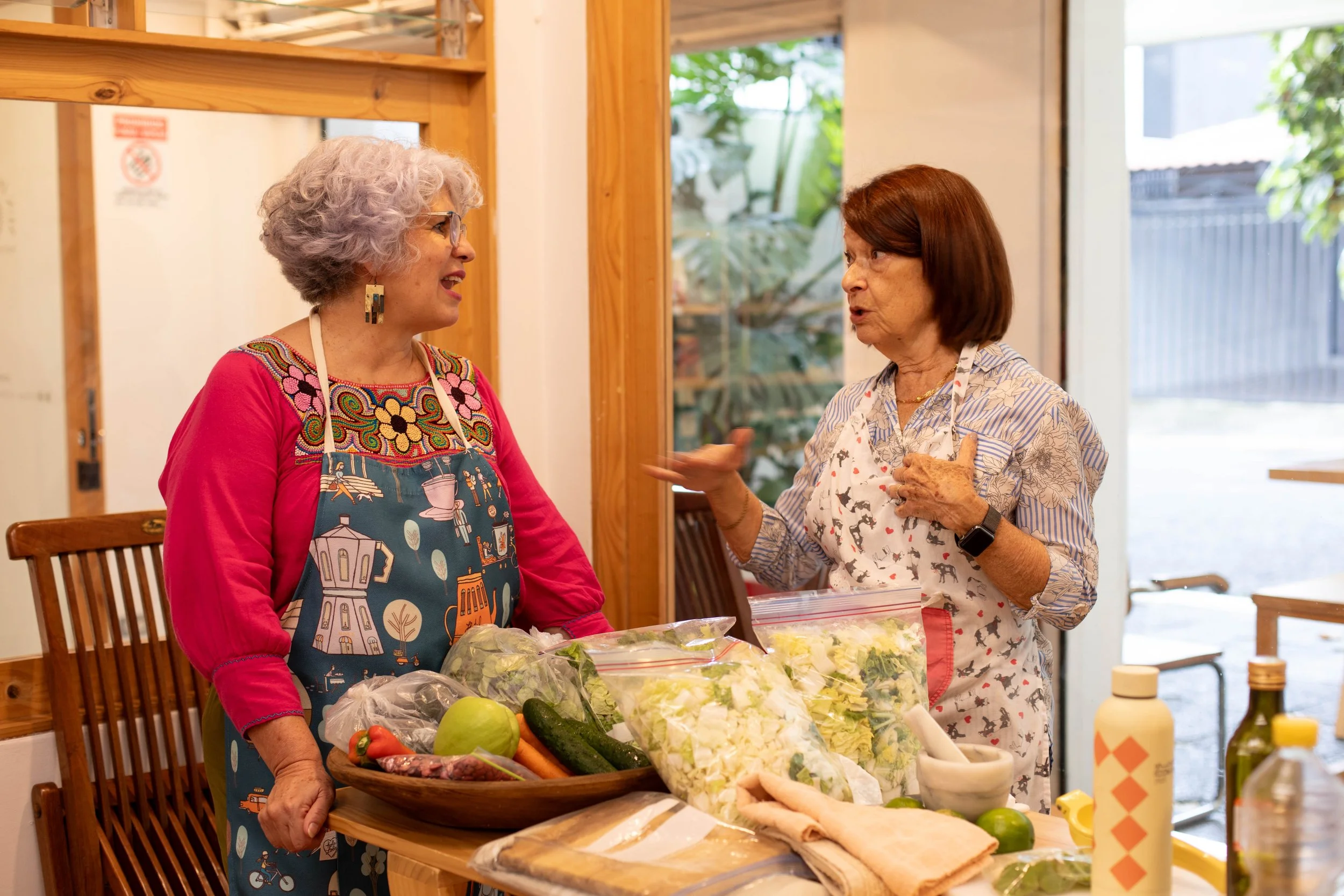
Her workshop, Collective Support Exercises, explored different dynamics of listening and exchange among participants, as well as artistic, pedagogical, and curatorial references, to reflect collectively on the practical, political, and concrete possibilities of collaboration, knowledge, and shared work. Participants examined artistic processes and projects intersected by the relationships between art, food, and territory, and to conclude, proposed an exercise in collective sustenance using the kitchen as a space for encounter.
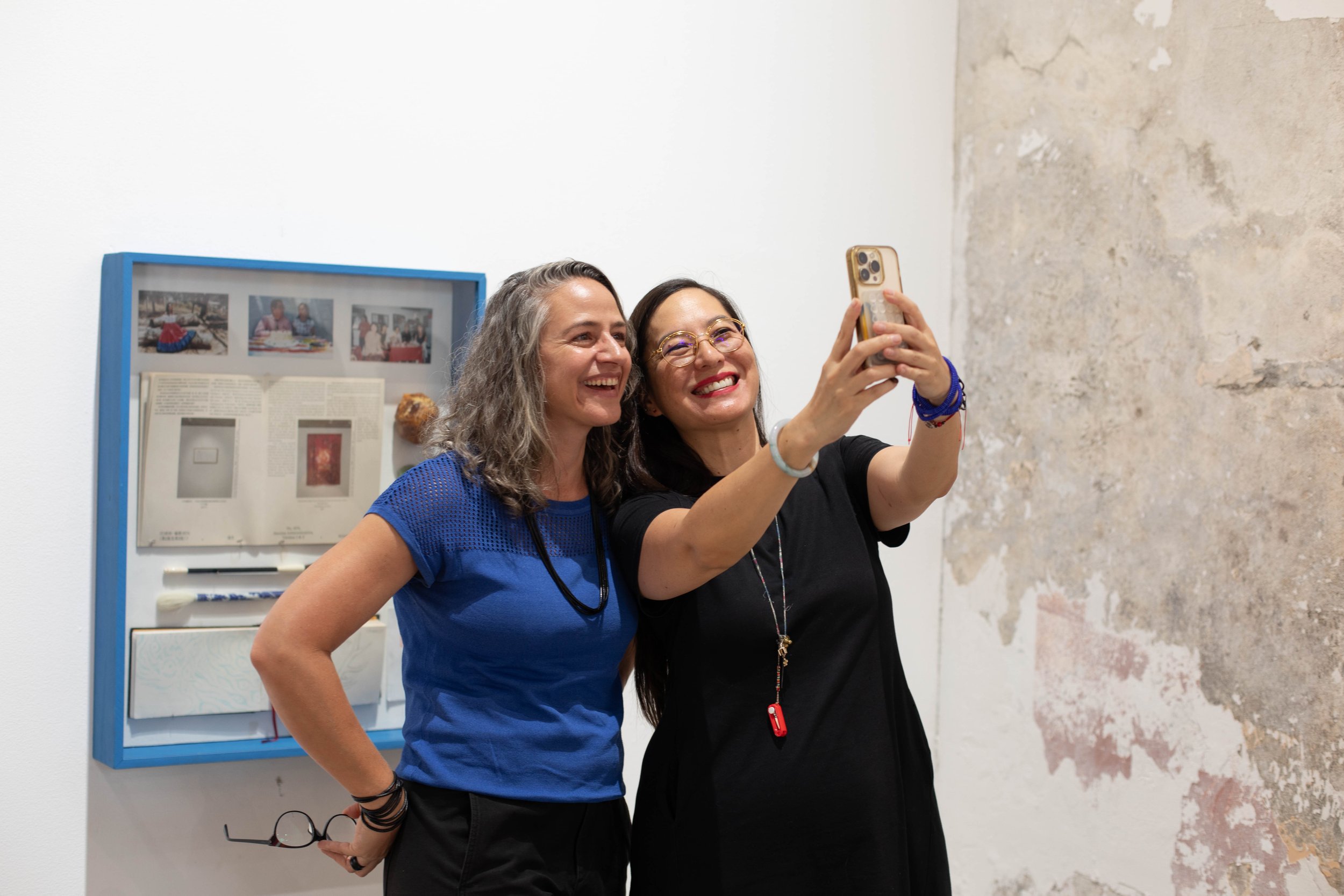
“Curanderxs went beyond its educational purpose to become a space for cultural connection—something that did not previously exist in Costa Rica—and one that also incorporated Central American voices. I consider these spaces vital, since in our country there is no clear path towards professionalization for careers such as curators or art mediators. It is equally urgent to understand curatorship as a practice rooted in Latin America, capable of constructing memory and responding to the demands of the context.”
/ Press for Curanderxs
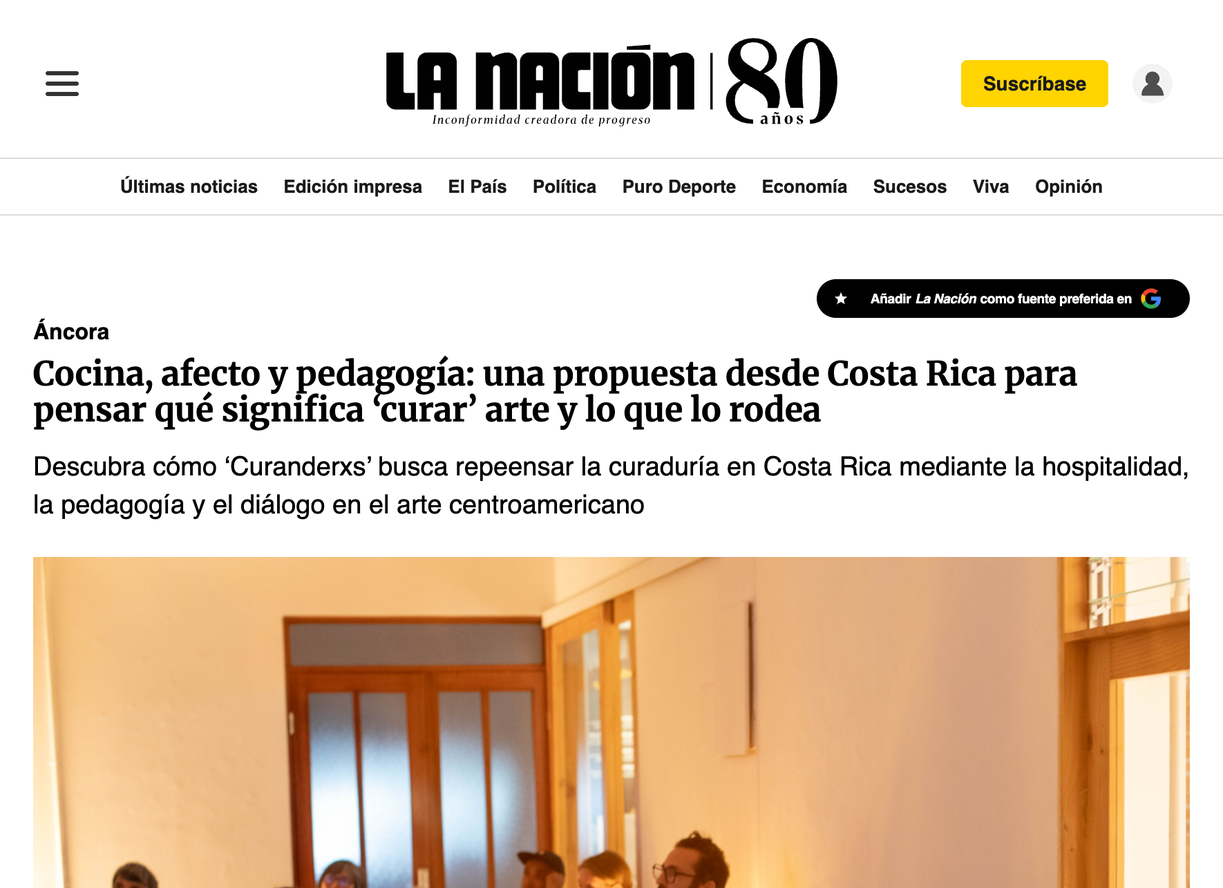
Artist and educator Eugenia S. Rudin explores her experience with Curanderxs in this reflective piece published in La Nación. Click to read more.
/ About satis.FACTORY
satis.FACTORY is an independent arthouse where curation, communal care, nourishment, and collective reflection come together around diverse artistic practices and disciplines. Our mission is to support and foster artistic production, mobility, and critical thinking throughout Central America. Our programming includes visual arts, performing arts, and arts professionalization. Since 2021, we have managed an artist-in-residency program designed to establish professional networks among artists and cultural practitioners worldwide.
Our residency curates and supports creative processes to help them thrive, encouraging cross-pollination of disciplines through experimentation, play and collective learning.
We operate as a flexible and collaborative organization with performative qualities, determined to have a social, political, and cultural impact.
For more on satis.FACTORY, or to support future residencies and programming, please be in touch with Hannah at hannah@hannahsloan.com.
/ Supporting Spaces for Exchange
Hannah Sloan Curatorial & Advisory is proud to support satis.FACTORY and its ongoing commitment to creating spaces for artistic experimentation, critical dialogue, and cultural exchange in Costa Rica and beyond.